November 5, 2026
Mold growth can affect the comfort, cleanliness, and overall condition of residential and commercial properties. Whether caused by water leaks, excessive humidity, or previous flooding, mold can spread through building materials and create concerns for property owners. Understanding how professional mold removal services work is essential for addressing contamination, protecting structural materials, and maintaining healthier indoor environments.
Mold problems often develop in areas where moisture accumulates without being immediately noticeable. Bathrooms, basements, attics, and spaces affected by plumbing issues are particularly vulnerable. Professional remediation focuses on identifying contamination, addressing contributing moisture conditions, and removing affected materials when necessary. With appropriate expertise and specialized equipment, restoration professionals can help property owners manage mold problems effectively.
Understanding the Causes of Mold Growth
Mold is a naturally occurring fungus that thrives in environments containing moisture and organic materials. Building components such as drywall, wood, carpeting, and insulation can provide favorable conditions for growth when exposed to persistent dampness. Although mold spores are commonly present in indoor and outdoor air, excessive moisture allows them to develop into visible colonies.
Water intrusion is among the most common contributors to indoor mold problems. Leaking pipes, damaged roofing, foundation seepage, and poorly functioning drainage systems can introduce moisture into areas that remain concealed. Inadequate ventilation may also contribute to humidity accumulation, particularly in enclosed spaces where airflow is restricted.
Recognizing the Signs of Mold Contamination
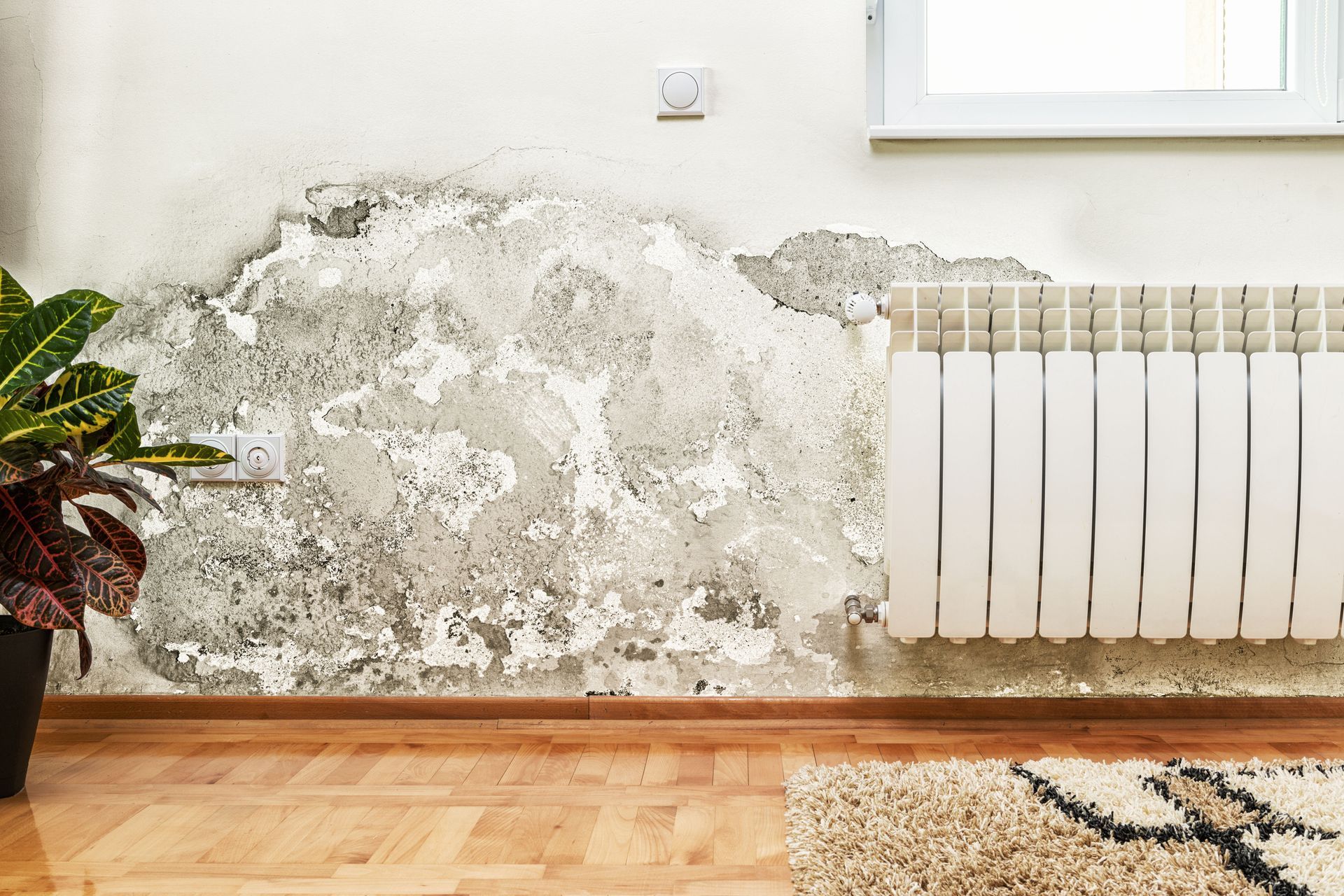
Mold contamination does not always appear as an obvious stain on a wall or ceiling. Some infestations develop behind cabinets, beneath flooring, or inside wall cavities, making early identification challenging. Property owners may notice persistent musty odors, discoloration, deteriorating materials, or unusual moisture patterns before discovering visible growth.
Different types of mold can produce varying appearances, including dark patches, greenish discoloration, or irregular surface staining. However, appearance alone cannot reliably identify a particular mold species or determine its potential health implications. Professional evaluation provides a more informed understanding of suspected contamination.
Exploring the Professional Mold Assessment Process
Before remediation begins, restoration professionals typically evaluate the affected property to determine the location, extent, and possible causes of contamination. This assessment may include examining visible growth, reviewing moisture damage, and investigating areas where hidden water intrusion could be occurring.
Professional mold removal services generally begin with understanding the conditions that allowed contamination to develop. Moisture meters, thermal imaging equipment, and other inspection tools may help specialists identify damp materials or areas requiring further examination. These findings contribute to a remediation plan tailored to the property’s condition.
Not every mold situation requires laboratory testing. In many cases, visible contamination and documented moisture damage provide sufficient information to guide remediation decisions. When testing is appropriate, qualified professionals can determine which methods are useful and how the results should inform subsequent work.
Examining the Professional Mold Removal Process
Effective remediation requires more than treating visible surface discoloration. Professionals must evaluate contaminated materials, manage airborne particles, and address conditions that support continued growth. The specific approach depends on the affected surfaces, contamination severity, and accessibility of damaged areas.
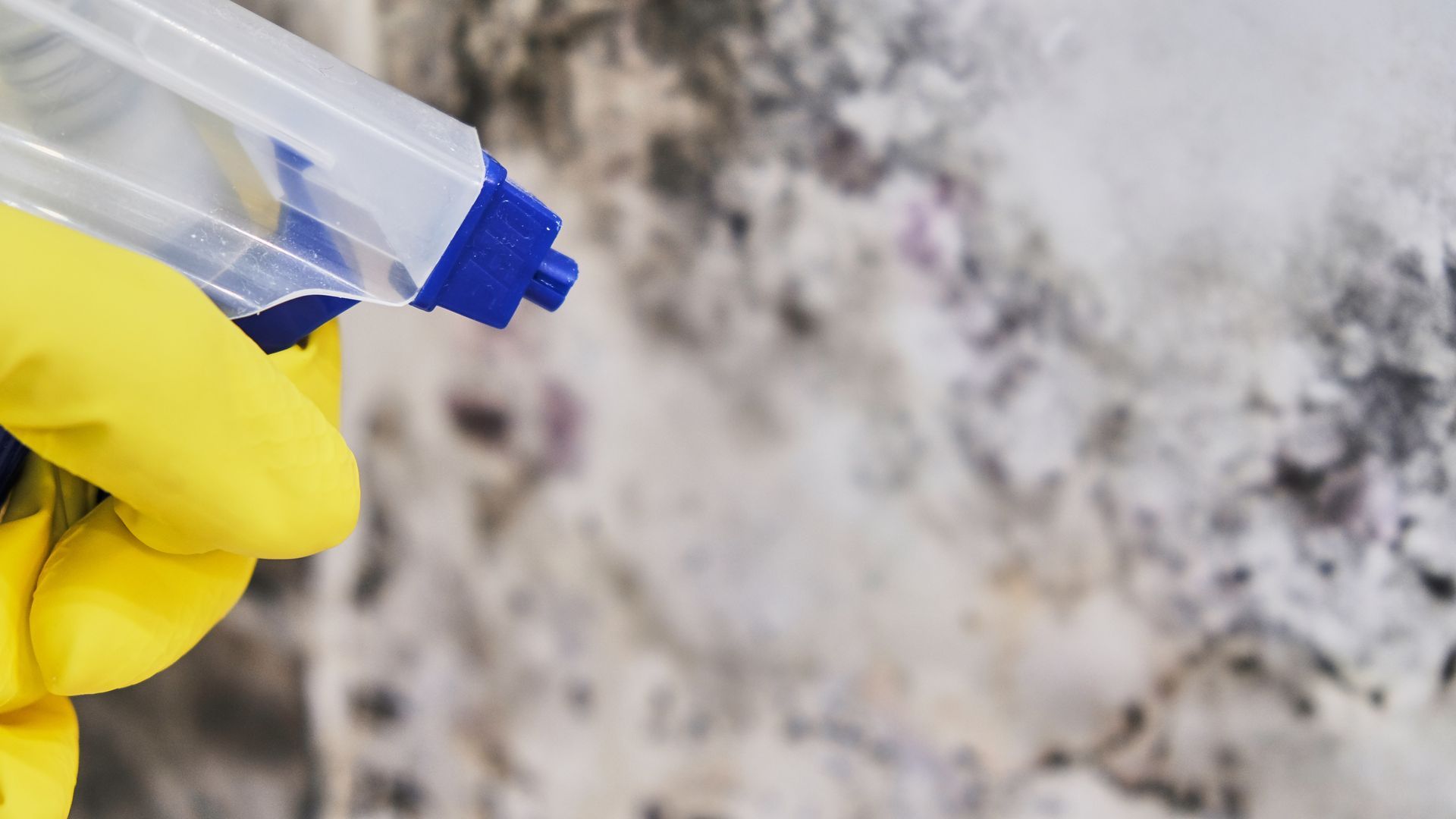
During mold removal services, restoration specialists may establish containment barriers to reduce the movement of contaminated dust and spores into unaffected spaces. Specialized air filtration equipment can support contamination control, while appropriate protective measures help reduce occupational exposure during remediation activities.
Nonporous materials may be suitable for professional cleaning when contamination can be adequately removed. However, porous materials such as heavily affected drywall, insulation, and carpeting may require disposal because mold can penetrate beyond accessible surfaces. Restoration decisions depend on material characteristics and the extent of damage.
Addressing the Sources of Excess Moisture
Moisture management is central to successful mold remediation because fungal growth can recur when damp conditions remain unresolved. Even comprehensive cleaning may provide only temporary improvement if plumbing leaks, roof damage, or excessive indoor humidity continue contributing to the problem.
According to the EPA, water-damaged building materials should ideally be thoroughly dried within 24 to 48 hours to help prevent mold development. This guidance highlights the importance of responding promptly to water intrusion and evaluating materials that may retain moisture after an incident.
Professional mold removal services often involve coordinating remediation with moisture correction and structural drying. Depending on the situation, restoration work may require addressing plumbing problems, improving drainage, or evaluating ventilation deficiencies. These measures help establish conditions that are less favorable for future contamination.
Protecting the Integrity of Building Materials
Mold contamination can affect both the appearance and physical condition of building materials. Persistent moisture may weaken drywall, damage finishes, contribute to wood deterioration, and compromise insulation performance. The severity of these effects depends on the duration of exposure and the materials involved.
Professional mold removal services help property owners evaluate which components can be preserved and which require replacement. This material-specific approach supports effective remediation while avoiding unnecessary demolition when suitable cleaning methods are available.
Restoration professionals may coordinate with other qualified specialists when repairs extend beyond contamination removal. Addressing both mold and associated material damage supports the property’s long-term functionality and helps prevent unresolved moisture problems from affecting newly restored surfaces.
Improving the Quality of Indoor Environments
Indoor environmental quality depends on several interconnected factors, including moisture control, ventilation, cleanliness, and building maintenance. Mold contamination can interfere with these conditions by introducing additional biological particles into occupied spaces.
Professional mold removal services contribute to improved indoor conditions by addressing contaminated materials and helping reduce sources of ongoing fungal growth. However, remediation does not create a completely mold-free environment because naturally occurring spores remain present in ordinary indoor air.
Effective restoration instead focuses on correcting abnormal contamination and controlling the moisture conditions responsible for its development. This approach aligns with the broader goal of maintaining indoor spaces that are comfortable, functional, and appropriately maintained.
Property owners may also benefit from understanding how ventilation, humidity, and building performance interact. When moisture-related deficiencies are identified during remediation, addressing them can support more stable indoor conditions and reduce the likelihood of recurring problems.
Evaluating the Benefits of Professional Remediation
Mold contamination presents challenges that may not be apparent during an initial visual inspection. Hidden moisture, contaminated porous materials, and the possibility of spreading airborne particles can complicate remediation when the affected area is not properly evaluated.
Professional mold removal services provide access to specialized equipment, established containment practices, and experience assessing different building materials. These resources allow restoration teams to develop approaches that reflect the property’s specific conditions rather than relying on surface appearance alone.
Another important benefit involves documentation and communication. A professional remediation process may include explaining observed conditions, identifying affected areas, outlining necessary work, and documenting completed activities. This information can help property owners understand the restoration process and make informed decisions about additional repairs.
Professional involvement can be especially valuable when contamination affects extensive areas, concealed building components, or properties with recurring moisture problems. Appropriate remediation helps address immediate concerns while supporting longer-term property maintenance.
Maintaining the Results of Mold Remediation
Successful remediation should address existing contamination and the environmental conditions that contributed to its development. Maintaining those results depends on continued attention to moisture management and the condition of vulnerable building components.
Properties with histories of flooding, roof leaks, or plumbing failures may require particular attention because previous water damage can reveal areas susceptible to recurring moisture intrusion. Building maintenance and timely repairs help reduce conditions that support renewed fungal growth.
Professional mold removal services can also provide property owners with a clearer understanding of moisture-related vulnerabilities discovered during the assessment. This information supports informed maintenance decisions and helps distinguish isolated incidents from recurring building performance concerns.
Ultimately, effective mold management combines appropriate contamination removal, moisture correction, and ongoing property care. Understanding these interconnected elements allows owners to approach restoration with realistic expectations and greater confidence in the condition of their indoor spaces.
Mold contamination requires careful attention because its effects can extend beyond visible surfaces. Professional evaluation, appropriate remediation methods, and effective moisture management work together to address existing problems and reduce the likelihood of recurrence.
At Recromax, we understand the importance of restoring properties affected by mold and moisture damage. Our team provides professional restoration support tailored to the conditions of each property. Contact us to learn how we can help address mold concerns and support a cleaner, more comfortable indoor environment.